
*Please keep your phone line open, and we will call you back within 24 hours on business days!
Please keep your phone line open. We will call you back within 24 hours on business days!

WeChat inquiry
News Center
Get the latest updates on exhibitions under Qishun Exhibition and stay informed about events relevant to you.
How to choose overseas real estate? Key aspects of the 2026 Shanghai Overseas Property Expo will be explained in detail
2026-09-18 09:48:36
Click:
“
This article focuses on two types of needs: overseas real estate investment and self occupation. It analyzes common issues related to exchange rates, taxes, loans, holding costs, and subsequent management. It explains how the Shanghai World Trade Exhibition Center's Overseas Immigration, Study Abroad, Real Estate, and Enterprise Overseas and Financial Services Expo, held from November 20 to 22, 2026, can help homebuyers compare projects and connect with legal, tax, and financial services.
”
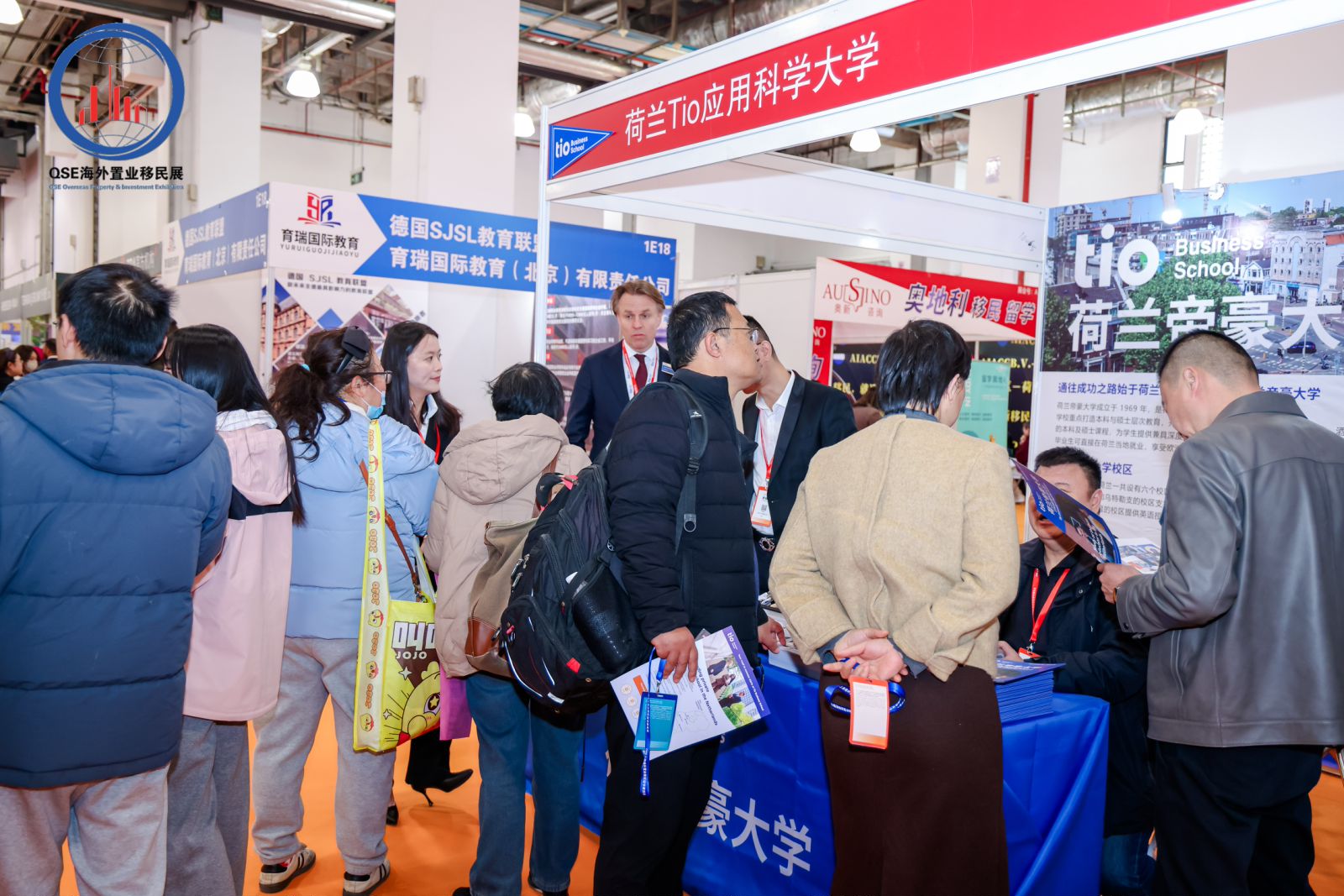
Overseas real estate is shifting from being a 'minority choice' to becoming a part of more family asset allocation and living arrangements. But compared to buying a house domestically, buying a house overseas involves more links and longer chains. If one link is not understood properly, additional costs may be incurred in the future. From November 20th to 22nd, 2026, the Overseas Immigrant Study Abroad Real Estate and Enterprise Overseas Development and Financial Services Expo will be held at the Shanghai World Trade Exhibition Center. The three-day event is expected to attract about 8000 attendees, and the real estate exhibition area will focus on presenting overseas real estate projects and related supporting services.
**Investment and self occupation: two types of needs, two sets of evaluation logic**
The needs of overseas homebuyers can be roughly divided into two categories. One type of investment bias: focusing on rental returns, asset preservation, or exchange rate windows; Another type focuses on self occupation: for accompanying children to school, immigration landing, or retirement. The evaluation logic corresponding to the two requirements is completely different.
Investment buyers are more concerned about the liquidity of the location, rental market, holding costs, and exit arrangements; Self occupied buyers are more concerned about community environment, living facilities, language communication, and daily convenience. The problem is that many buyers do not clearly consider their core needs in the early stages of decision-making, and are easily attracted by single factors such as 'reasonable price' and 'good landscape', ignoring the matching degree with their own needs. Thinking clearly about 'what to buy for' is the starting point for overseas real estate, and it is also a question worth asking oneself when consulting on-site.
**Taxes, loans, and holding costs: details that determine long-term experiences**
The price of buying a house overseas is only a part of the cost. The transaction process may involve lawyer fees, evaluation fees, registration fees, and stamp duty; The holding process involves property taxes, property fees, and rental related taxes and fees; If it involves loans, there are also issues related to interest rates, down payment ratios, and repayment arrangements. The rules vary significantly among different countries and cities, and the actual burden may differ greatly from intuitive judgment when calculated in one account.
A more common situation is that buyers have more knowledge about 'buying' and less knowledge about 'nurturing'. What is the maintenance cost when the property is vacant? How to arrange the management after renting? Is the composition of property management fees transparent? These issues directly affect the long-term holding experience. The legal, tax, and financial service institutions at the exhibition site can provide reference explanations on the tax framework and loan process of specific countries, helping buyers to calculate their accounts clearly before making a purchase.
**Legal and follow-up management: signing the contract is the beginning**
Another threshold for overseas real estate is the legal process. The nature of property rights, transaction process, contract terms, and payment arrangements all involve local laws and transaction customs. Language barriers and information asymmetry can easily lead buyers to overlook the details of terms and conditions; Once signed, the cost of error correction is often high.
In addition, follow-up management is equally important: after the property is delivered, who is responsible for renting, maintaining, paying fees, and filing taxes? For non local residents, reliable custody services are key to maintaining the normal operation of assets. Choosing projects, institutions, and custodians is essentially choosing a complete service chain, rather than a single transaction.
**Exhibition value: Clarify risks before deciding whether to buy or not**
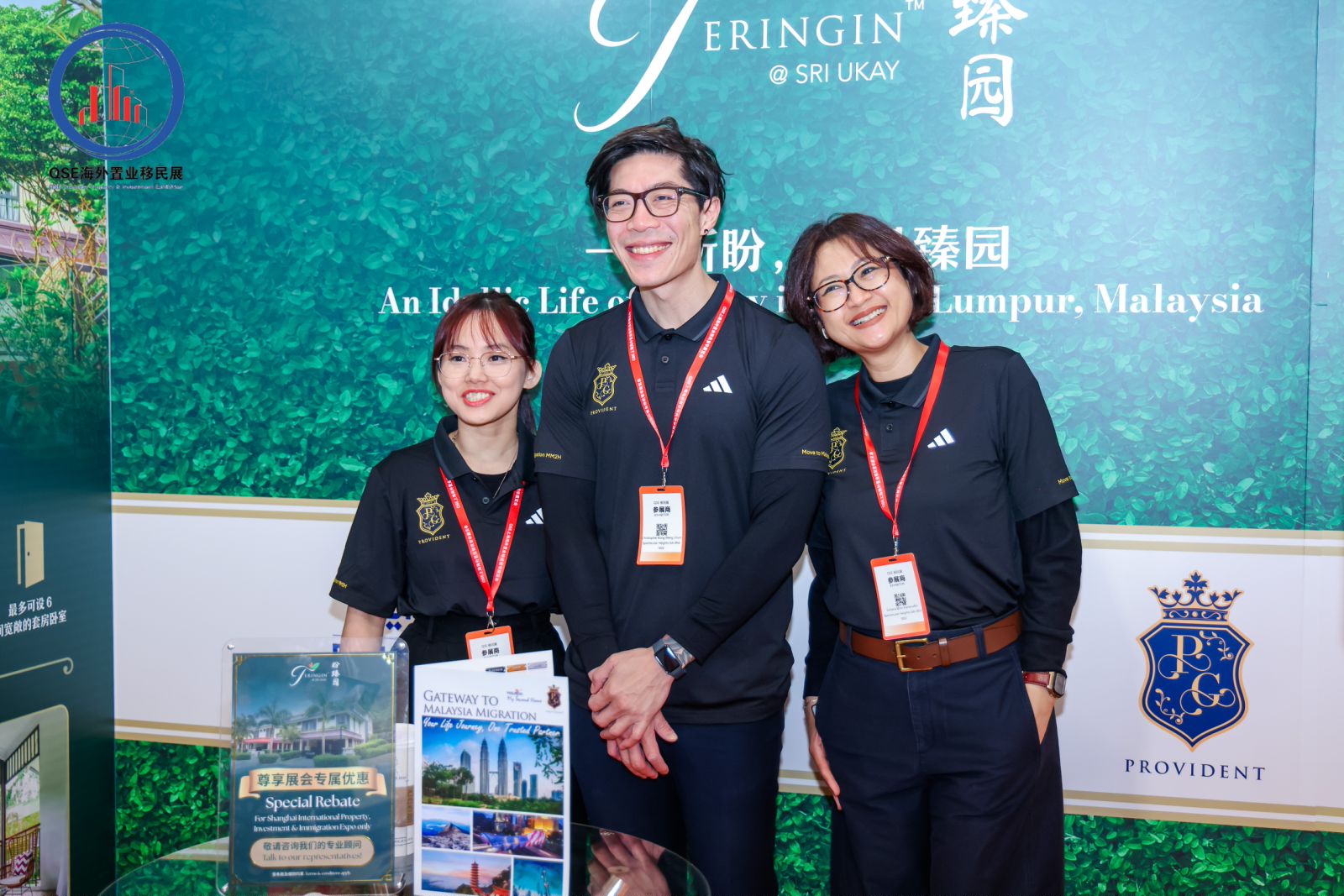
The real estate exhibition area of this expo will showcase real estate projects from multiple countries and regions, and provide supporting services such as legal, tax, and financial services at the same venue. Buyers can compare multiple projects in the same region, or inquire with different institutions about the same project, clarifying issues such as property rights, taxes, loans, and management one by one. There is also an immigration and study abroad section in the same venue, which facilitates the consideration of property purchase in the overall family planning - the needs of accompanying families are different from pure investment needs, and the plan is naturally different.
Objectively speaking, exhibitions provide opportunities for information, comparison, and networking, and do not constitute recommendations for any projects. Buyers need to make judgments based on their own financial situation, usage plan, and risk tolerance. The more detailed the questions are, the more confident the decision-making will be.
Overseas real estate is not a simple transaction, but a systematic project involving law, taxation, finance, and management. From November 20th to 22nd, at the Shanghai World Trade Exhibition Center, questions will be brought to the venue and plans will be brought home. It is worth families interested in overseas real estate to have an on-site understanding.
Exhibition Name: Overseas Immigration, Study Abroad, Real Estate and Enterprise Going Global and Financial Services Expo
Time: November 20-22, 2026
Location: Shanghai World Trade Exhibition Center
Duration: Three days
Expected attendance: Approximately 8000 people over the course of three days
Exhibition Hotline: 13681692751 (same as WeChat)
Official website: www.qs-expo.com
Author:
Shanghai Enterprise Go-Global & Cross-Border Coope










Connecting Global Opportunities · Empowering Enterprises to Go Global
Contact Us
Tel: +86 136 8169 2751
Email: expo@qs-expo.com
Address: Room 512, Building 1, Fox Business Mansion, No. 89 Huguang East Road, Minhang District, Shanghai




Invitation Letter
Copyright © 2009-2026 Shanghai Qishun Exhibition Service Co., Ltd. All Rights Reserved | Shanghai ICP Filing No. 20266666-1

